Chapati (Indian Flat Bread)
Chapati, a staple in Indian cuisine, is much more than just a flatbread. It’s a canvas for flavors, a vessel for delicious curries, and a comfort food that brings people together. With its simple ingredients and quick preparation time, chapati is a go-to recipe for many households. This versatile bread pairs beautifully with a variety of dishes, making it an essential part of any Indian meal. In this article, we will guide you through the process of making perfect chapatis that are soft, delicious, and utterly satisfying.
Why This Recipe Works
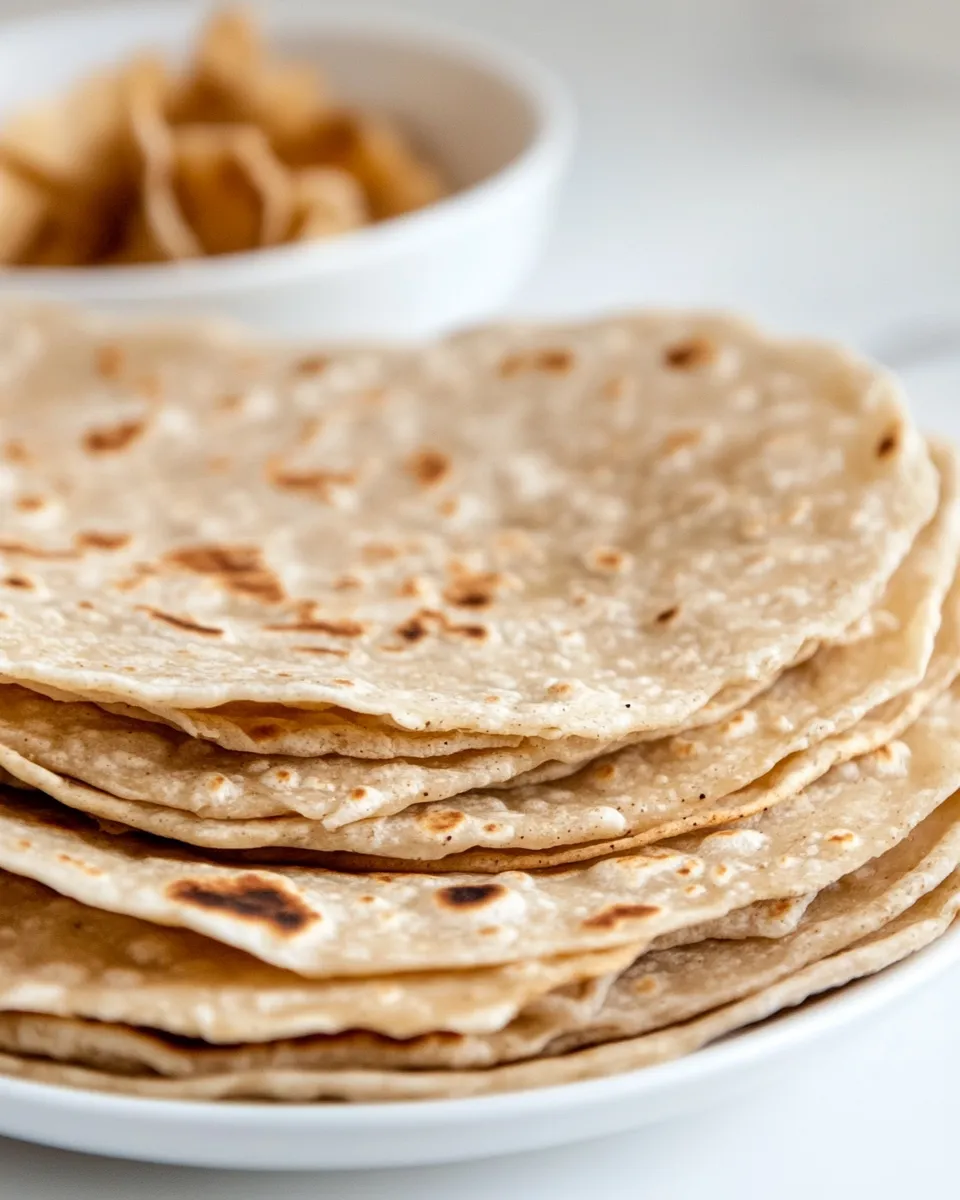
This chapati recipe is straightforward and fuss-free, focusing on the essential elements that make for a perfect flatbread. Using just two cups of whole wheat flour or drum-wheat atta, salt, and water, you will create a dough that is easy to work with. The key lies in the technique: the right amount of kneading, resting, and cooking ensures that your chapatis puff up beautifully and remain soft for hours. With this recipe, you can achieve authentic chapati at home, just like you would find in any Indian household.
What You’ll Gather
- 2 cups whole wheat flour or drum-wheat atta
- 1 teaspoon salt
- 1 cup water (adjust as necessary)
- 2 tablespoons wheat flour for rolling and dusting
Setup & Equipment
- Mixing bowl: For combining the dough ingredients.
- Rolling pin: To roll out the chapatis into thin circles.
- Flat skillet or tava: For cooking the chapatis evenly.
- Kitchen towel: To keep the cooked chapatis warm.
Directions: Chapati (Indian Flat Bread)
Step 1: Prepare the Dough
In a mixing bowl, combine the whole wheat flour and salt. Gradually add the water while mixing with your hand or a spoon until the mixture comes together into a rough dough.
Step 2: Knead the Dough
Transfer the dough onto a lightly floured surface and knead it for about 8-10 minutes until it’s smooth and elastic. If the dough feels sticky, sprinkle a little more flour as needed.
Step 3: Rest the Dough
Cover the dough with a damp kitchen towel or plastic wrap and let it rest for at least 30 minutes. This resting period allows the gluten to relax, making it easier to roll out.
Step 4: Divide the Dough
After resting, divide the dough into equal portions, roughly the size of a golf ball. Roll each portion between your palms to form smooth balls.
Step 5: Roll Out the Chapatis
Take one dough ball, flatten it slightly, and dust it with wheat flour. Using a rolling pin, roll it out into a thin circle, about 6-7 inches in diameter. Make sure to rotate the dough as you roll to maintain a round shape.
Step 6: Cook the Chapatis
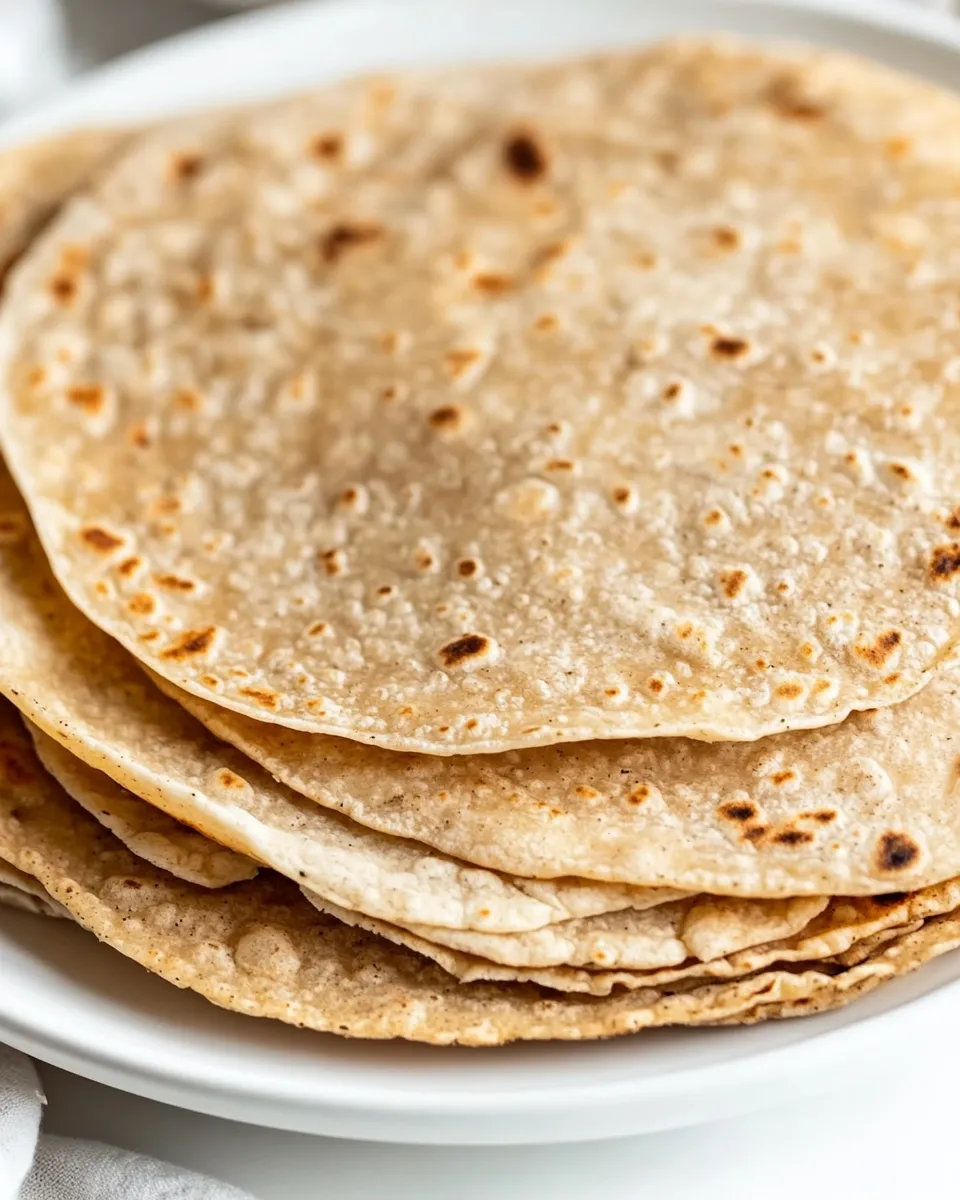
Heat a flat skillet or tava over medium-high heat. Once hot, place the rolled-out chapati on the skillet. Cook for about 30 seconds or until you see bubbles forming on the surface.
Step 7: Flip and Puff
Flip the chapati over using tongs. Cook for another 30 seconds. Gently press down with a spatula to encourage puffing. If you have an open flame, you can place the chapati directly over it to puff it up further.
Step 8: Keep Warm
Remove the chapati from the skillet and place it in a bowl lined with a kitchen towel. Cover it to keep warm while you cook the remaining chapatis.
Make It Diet-Friendly
- For a gluten-free option, substitute with gluten-free flour blends.
- Add flaxseed meal or chia seeds to the dough for extra nutrition.
- Incorporate finely chopped vegetables like spinach or carrots into the dough for added flavor and nutrients.
- Control portion sizes by making mini chapatis for lower-calorie options.
Behind the Recipe
Chapati is a traditional bread that has been enjoyed in Indian households for generations. It is beloved for its simplicity and versatility, often served with a variety of dishes, from spicy curries to lentil soups. The process of making chapati is often a communal activity, bringing families together in the kitchen. This recipe honors that tradition, allowing you to create a delicious bread that can be enjoyed any day of the week.
Leftovers & Meal Prep
Chapatis are best enjoyed fresh, but they can be stored for later use. Here are some tips:
- Store leftover chapatis in an airtight container or wrap them in aluminum foil to keep them soft.
- Reheat in a skillet or microwave for a few seconds before serving.
- Chapatis can also be frozen for longer storage. Just separate them with parchment paper to prevent sticking.
Top Questions & Answers
Can I use all-purpose flour instead of whole wheat flour?
Yes, you can use all-purpose flour, but the texture and flavor will vary. Whole wheat flour provides a nuttier taste and more nutrients.
Why is my chapati not puffing up?
If your chapati isn’t puffing, it may be due to uneven rolling or insufficient heat. Ensure the skillet is hot enough and try pressing gently on the edges while cooking.
How do I know when the dough is properly kneaded?
The dough should be smooth, elastic, and should not stick to your hands. It should bounce back when pressed lightly.
Can I make chapati ahead of time?
Yes, you can prepare the dough in advance and refrigerate it for up to 24 hours. Allow it to come to room temperature before rolling and cooking.
What to Make After This
- Aloo Gobi (Potato and Cauliflower Curry)
- Chicken Tikka Masala
- Palak Paneer (Spinach and Cheese)
- Dal Makhani (Creamy Lentils)
Ready, Set, Cook
Now that you have the knowledge and the ingredients, it’s time to roll up your sleeves and make some delightful chapatis! With practice, you will find your rhythm and technique, creating chapatis that are not only delicious but also a joy to make. Gather your family around the kitchen, and enjoy the art of cooking this wonderful Indian flatbread together. Whether you’re enjoying a meal with loved ones or savoring a moment of peace with a warm chapati and your favorite curry, this recipe is sure to bring a smile to your face. Happy cooking!
Chapati (Indian Flat Bread)
Ingredients
Equipment
Method
- In a mixing bowl, combine the whole wheat flour and salt. Gradually add the water while mixing with your hand or a spoon until the mixture comes together into a rough dough.
- Transfer the dough onto a lightly floured surface and knead it for about 8-10 minutes until it's smooth and elastic. If the dough feels sticky, sprinkle a little more flour as needed.
- Cover the dough with a damp kitchen towel or plastic wrap and let it rest for at least 30 minutes. This resting period allows the gluten to relax, making it easier to roll out.
- After resting, divide the dough into equal portions, roughly the size of a golf ball. Roll each portion between your palms to form smooth balls.
- Take one dough ball, flatten it slightly, and dust it with wheat flour. Using a rolling pin, roll it out into a thin circle, about 6-7 inches in diameter. Make sure to rotate the dough as you roll to maintain a round shape.
- Heat a flat skillet or tava over medium-high heat. Once hot, place the rolled-out chapati on the skillet. Cook for about 30 seconds or until you see bubbles forming on the surface.
- Flip the chapati over using tongs. Cook for another 30 seconds. Gently press down with a spatula to encourage puffing. If you have an open flame, you can place the chapati directly over it to puff it up further.
- Remove the chapati from the skillet and place it in a bowl lined with a kitchen towel. Cover it to keep warm while you cook the remaining chapatis.
Notes
- Store leftover chapatis in an airtight container or wrap them in aluminum foil to keep them soft.
- Reheat in a skillet or microwave for a few seconds before serving.
- Chapatis can be frozen; separate them with parchment paper to prevent sticking.