Curry Noodles
Are you craving a filling, flavorful dish that transports your taste buds straight to Southeast Asia? Look no further than these delightful Curry Noodles! This recipe combines the richness of coconut milk with the zesty punch of red curry paste, resulting in a creamy sauce that clings beautifully to tender rice noodles. With a medley of fresh vegetables and the brightness of lime juice, this dish is not only satisfying but also packed with nutrients. Let’s dive into the goodness of Curry Noodles that will surely become a family favorite.
Why You’ll Love This Recipe
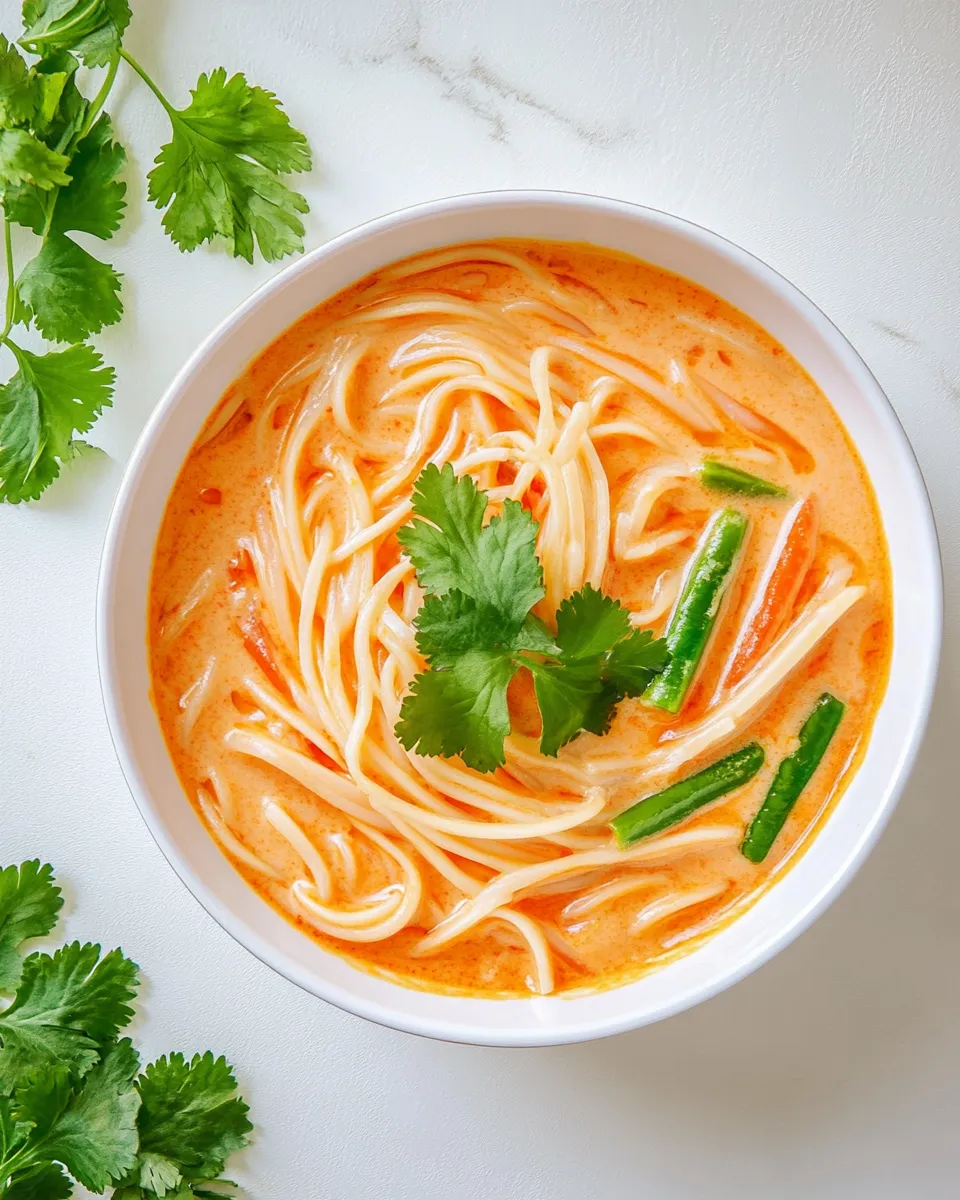
Curry Noodles bring together the best of comfort food and vibrant flavors. Here are a few reasons why this dish will win your heart:
– **Quick and Easy**: Ready in under 30 minutes, making it perfect for busy weeknights.
– **Customizable**: You can easily swap in your favorite vegetables or proteins.
– **Coconut Creaminess**: The coconut milk creates a luscious sauce that is both rich and satisfying.
– **Bright Flavors**: Fresh ginger, lime juice, and cilantro elevate the dish to a whole new level.
What to Buy
To create your own Curry Noodles, gather the following ingredients:
- 12 ounces rice noodles
- 1 tablespoon vegetable oil
- 3 cloves garlic, minced
- 1 medium onion, thinly sliced
- 4 teaspoons fresh ginger, grated
- 3 tablespoons red curry paste
- 1 1/2 teaspoons cornstarch
- 1 (14-ounce) can coconut milk
- 1 tablespoon soy sauce
- 1 tablespoon maple syrup
- 1 red bell pepper, thinly sliced
- 1 carrot, julienned
- 1 1/2 tablespoons freshly squeezed lime juice
- 1/4 cup fresh cilantro, chopped
Essential Tools for Success
Before you get started, make sure you have these essential tools at hand:
- Large Pot: For boiling the rice noodles.
- Stir-Fry Pan or Wok: Ideal for sautéing the vegetables and sauce.
- Measuring Spoons: For accurate ingredient measurements.
- Sharp Knife and Cutting Board: For slicing and dicing your veggies.
Cook Curry Noodles Like This
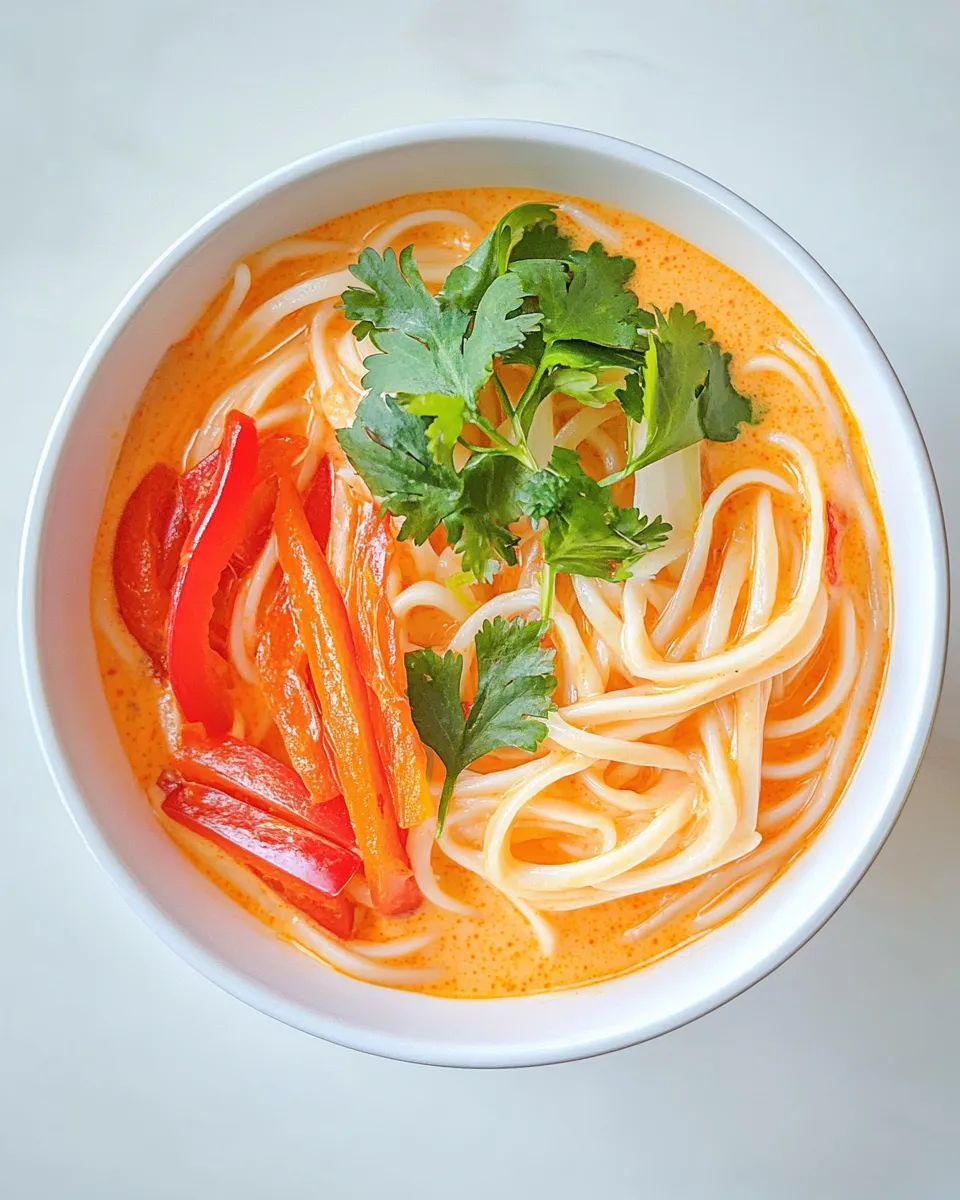
Now, let’s get cooking with these simple step-by-step instructions:
Step 1: Prepare the Rice Noodles
Begin by bringing a large pot of water to a boil. Once boiling, add the rice noodles and cook according to the package instructions, usually about 5-7 minutes. Drain and set aside.
Step 2: Sauté Aromatics
In a large stir-fry pan or wok, heat the vegetable oil over medium heat. Add the minced garlic and sliced onion, sautéing until the onion is translucent and fragrant, about 2-3 minutes.
Step 3: Add the Ginger and Curry Paste
Stir in the grated ginger and red curry paste, cooking for an additional 1-2 minutes. This step releases the aromatic flavors of the ginger and curry.
Step 4: Create the Sauce
In a small bowl, mix the cornstarch with a splash of water to create a slurry. Add the coconut milk, soy sauce, and maple syrup to the pan, stirring to combine. Once mixed, add the cornstarch slurry to the sauce and simmer for 3-5 minutes, allowing it to thicken.
Step 5: Add the Vegetables
Stir in the thinly sliced red bell pepper and julienned carrot, cooking for another 2-3 minutes until the vegetables are tender yet still crisp.
Step 6: Combine Noodles and Sauce
Carefully add the drained rice noodles to the pan, tossing them with the sauce and vegetables until they are evenly coated.
Step 7: Finish with Freshness
Remove the pan from heat, then stir in the freshly squeezed lime juice and chopped cilantro. This adds a burst of freshness right before serving.
Variations by Season
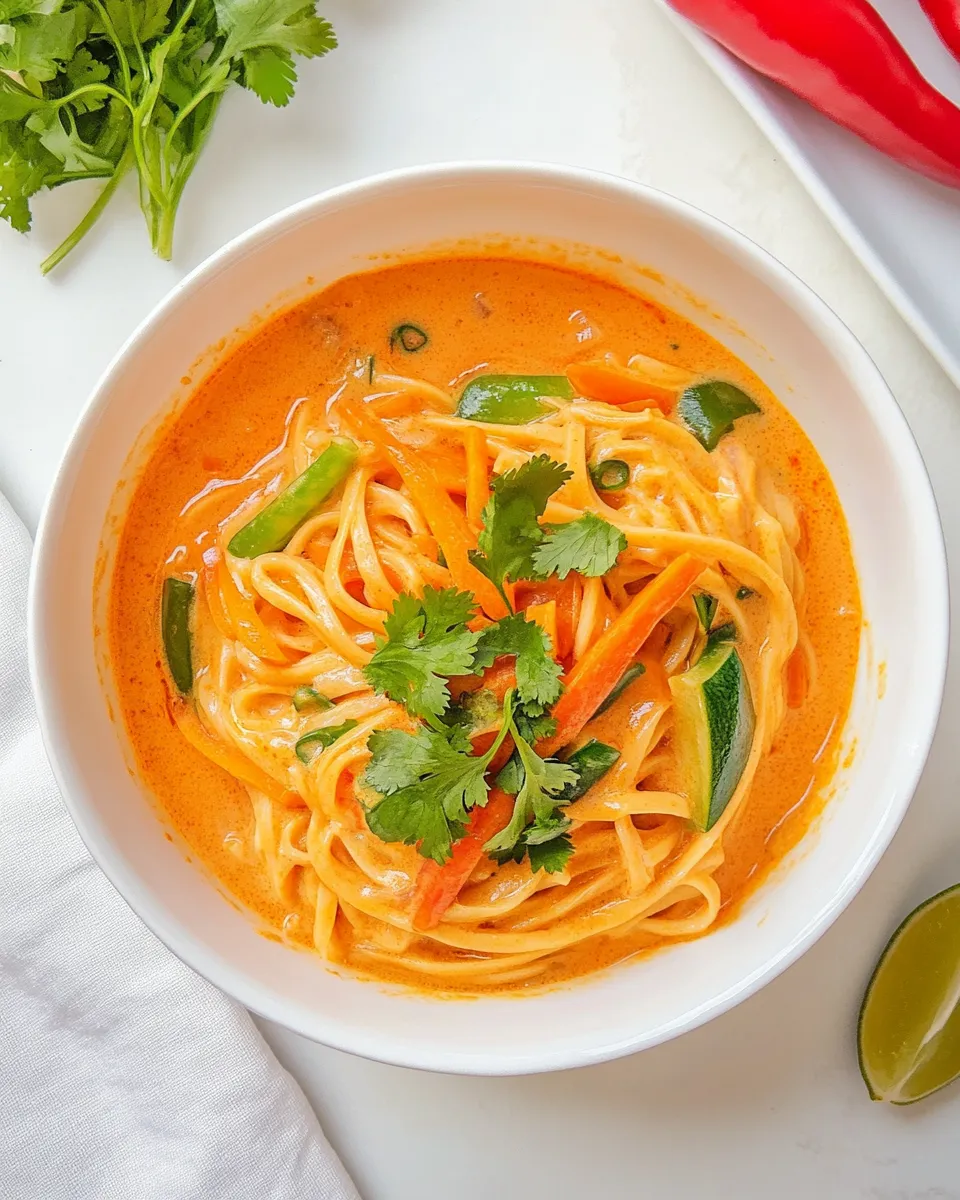
Curry Noodles are versatile and can be adjusted based on seasonal ingredients. Here are some ideas:
- Spring: Add snap peas and asparagus for a fresh crunch.
- Summer: Incorporate zucchini and cherry tomatoes for a light touch.
- Fall: Try adding pumpkin or butternut squash for a comforting twist.
- Winter: Kale or spinach can add a hearty green element that’s perfect for colder months.
Pitfalls & How to Prevent Them
To ensure your Curry Noodles turn out perfectly every time, keep these tips in mind:
- Overcooking Noodles: Keep an eye on the rice noodles while boiling; they should be al dente.
- Too Thick or Thin Sauce: Adjust the cornstarch and coconut milk ratio to achieve your desired consistency.
- Burning Aromatics: Avoid high heat when sautéing garlic and onions to prevent bitterness.
- Missing Flavor: Don’t skip the lime juice and cilantro; they add essential brightness to the dish.
Storing, Freezing & Reheating
If you find yourself with leftovers (which is rare, but possible), here’s how to store them:
Allow the Curry Noodles to cool completely before transferring to an airtight container. They can be stored in the refrigerator for up to 3 days. For longer storage, freeze the noodles in a freezer-safe container for up to 2 months. To reheat, thaw overnight in the fridge and warm in a pan over low heat, adding a splash of coconut milk or water to loosen the sauce.
Quick Q&A
Can I use other types of noodles?
Absolutely! While rice noodles are traditional, you can substitute them with other noodles like soba, udon, or even gluten-free pasta for a different texture.
Is this dish spicy?
The level of spiciness can be adjusted based on the amount of red curry paste you use. Start with a smaller amount if you prefer a milder flavor.
Can I add protein to this dish?
Yes! Feel free to incorporate tofu, chicken, shrimp, or beef. Just be sure to cook the protein before adding the vegetables.
What can I serve with Curry Noodles?
Curry Noodles are delicious on their own, but you can pair them with a side of steamed vegetables, a fresh salad, or crispy spring rolls for a more complete meal.
Don’t Miss These
- Sally’s Baking Addiction – Banana Bread Recipe
- Pinch of Yum – Creamy Mushroom Pasta
- Minimalist Baker – Vegan Chocolate Cake
- Sally’s Baking Addiction – Chocolate Chip Cookies
Hungry for More?
If you enjoyed these Curry Noodles, don’t stop here! Explore more exciting recipes that will delight your taste buds and impress your family and friends. From comforting casseroles to vibrant salads, the world of cooking is at your fingertips. Whether you’re a novice or a seasoned chef, there’s always something new to try!
Curry Noodles are not just a dish; they are a celebration of flavors and a testament to how simple ingredients can create something extraordinary. Dive into this recipe, savor the process, and enjoy every bite!
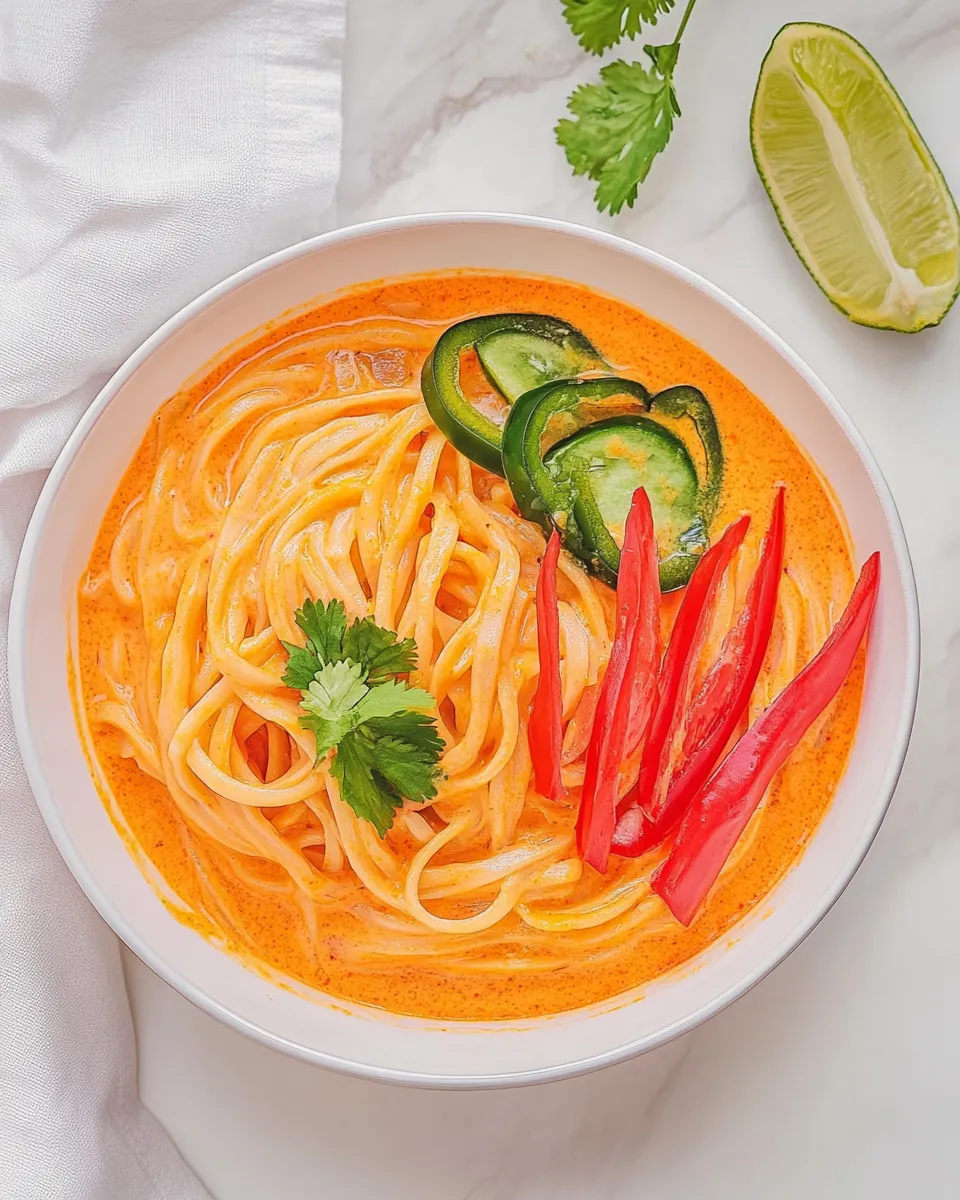
Curry Noodles
Ingredients
Equipment
Method
- Begin by bringing a large pot of water to a boil. Once boiling, add the rice noodles and cook according to the package instructions, usually about 5-7 minutes. Drain and set aside.
- In a large stir-fry pan or wok, heat the vegetable oil over medium heat. Add the minced garlic and sliced onion, sautéing until the onion is translucent and fragrant, about 2-3 minutes.
- Stir in the grated ginger and red curry paste, cooking for an additional 1-2 minutes. This step releases the aromatic flavors of the ginger and curry.
- In a small bowl, mix the cornstarch with a splash of water to create a slurry. Add the coconut milk, soy sauce, and maple syrup to the pan, stirring to combine. Once mixed, add the cornstarch slurry to the sauce and simmer for 3-5 minutes, allowing it to thicken.
- Stir in the thinly sliced red bell pepper and julienned carrot, cooking for another 2-3 minutes until the vegetables are tender yet still crisp.
- Carefully add the drained rice noodles to the pan, tossing them with the sauce and vegetables until they are evenly coated.
- Remove the pan from heat, then stir in the freshly squeezed lime juice and chopped cilantro. This adds a burst of freshness right before serving.
Notes
- Store leftovers in an airtight container in the fridge for up to 3 days.
- Freeze for up to 2 months; thaw overnight in the fridge before reheating.
- Add your favorite protein, like tofu or shrimp, for extra heartiness.
- Adjust the level of spiciness by varying the amount of red curry paste.
- Feel free to swap in seasonal vegetables for a fresh twist!