
Persian Rice
Persian rice is a beautiful and aromatic dish that serves as a staple in many Iranian meals. Known for its fluffy texture and unique flavor, it forms the perfect base for stews, kebabs, and grilled meats. With the right ingredients and techniques, you can create a delightful Persian rice experience right in your kitchen. Let’s dive into this recipe that combines traditional methods with a modern touch, using the right spices and preparation to elevate your dining experience.
Why This Recipe Belongs in Your Rotation
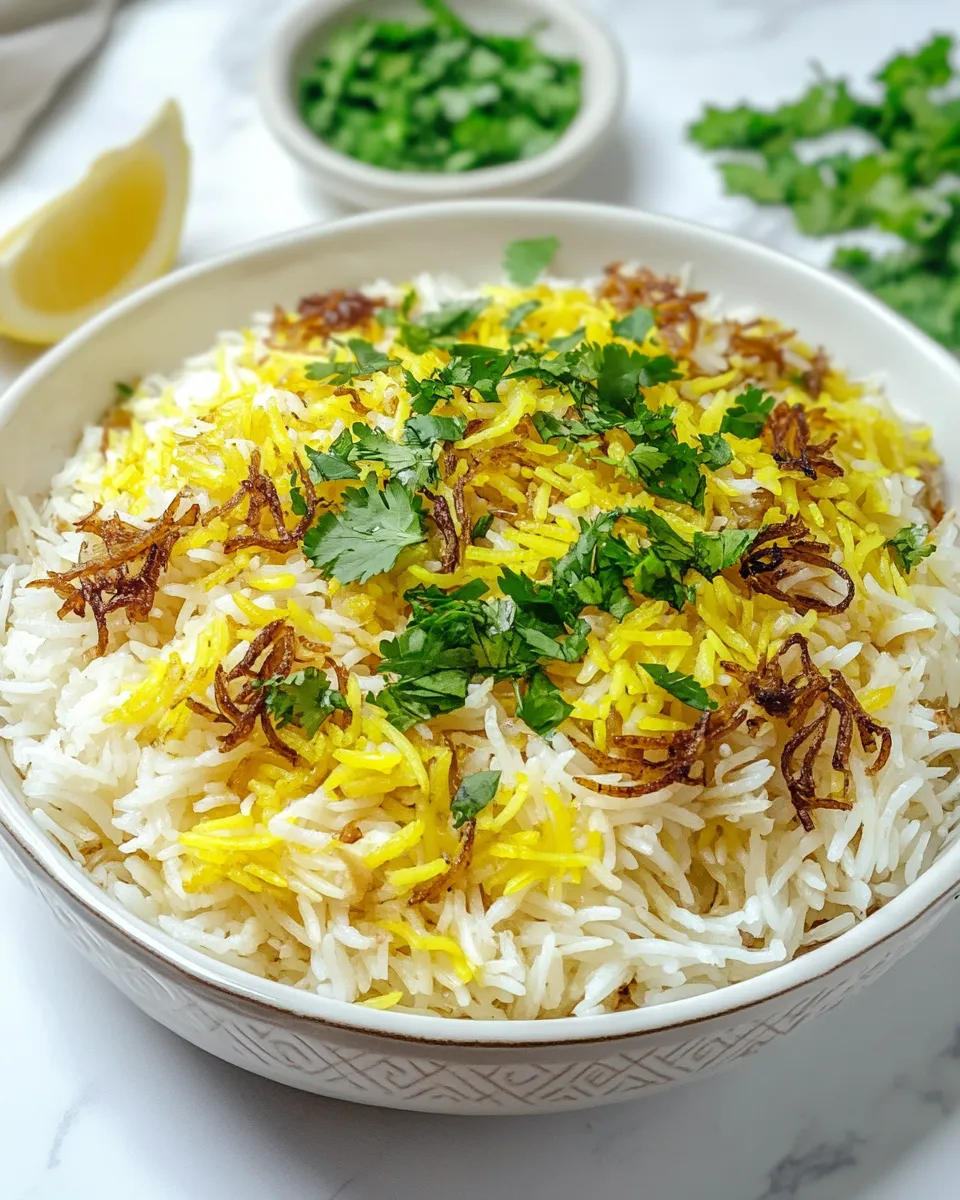
This Persian rice recipe is not just a side dish; it’s a culinary experience that brings warmth and a touch of elegance to any meal. The fluffy grains, along with the crispy potato tahdig that forms at the bottom, create a delightful contrast in textures. The infusion of saffron and spices adds a hint of exotic flavor, making this dish perfect for special occasions or a comforting family dinner. Once you master this technique, you’ll find yourself reaching for it time and time again.
Ingredients at a Glance
- 12 cups water for cooking rice
- 2 tablespoons kosher salt for cooking rice
- 2 cups basmati rice, rinsed
- 1 1/2 tablespoons olive oil
- 1 russet potato, cut into 1/4-inch slices
- 1/8 teaspoon ground cumin
- 1/8 teaspoon ground cinnamon
- Salt to taste
- 3 tablespoons butter, sliced
- 1 pinch saffron threads
- 1 1/2 tablespoons hot water
- Turmeric as needed (optional)
- Chopped parsley for garnish
Prep & Cook Tools
- Large pot: For boiling and cooking the rice.
- Strainer: To rinse the basmati rice thoroughly.
- Cutting board and knife: For slicing the potato.
- Small bowl: To steep the saffron in hot water.
- Spatula: For fluffing the rice and serving.
Persian Rice: Step-by-Step Guide
Step 1: Rinse the Rice
Begin by rinsing the basmati rice under cold water. This process removes excess starch and helps ensure that your rice cooks up fluffy rather than sticky. Rinse the rice until the water runs clear, then let it drain in a colander.
Step 2: Boil the Water
In a large pot, bring 12 cups of water to a rolling boil. Add 2 tablespoons of kosher salt to the boiling water. This will season the rice as it cooks.
Step 3: Cook the Rice
Once the water is boiling and seasoned, add the rinsed basmati rice. Allow it to cook for about 6-8 minutes, or until the rice is al dente. You want it to be cooked but not fully soft, as it will continue to cook during the steaming process later.
Step 4: Drain and Rinse Again
After the rice reaches the desired texture, drain it in a strainer and rinse it briefly with cold water to stop the cooking process. This also helps to remove any remaining starch.
Step 5: Prepare the Tahdig
In the same pot, heat 1 1/2 tablespoons of olive oil over medium heat. Arrange the potato slices in the pot, creating a single layer. This will form a crispy base known as tahdig. Sprinkle the potato with a little salt, ground cumin, and ground cinnamon for flavor.
Step 6: Layer the Rice
Gently spoon the drained rice over the potato layer in the pot. Use a spatula to create small holes in the rice to allow steam to escape. Drizzle the sliced butter over the top of the rice.
Step 7: Steaming the Rice
Cover the pot with a clean kitchen towel and then place the lid on tightly. This method captures the steam, which is essential for fluffy rice. Turn the heat to low and let it steam for about 30-40 minutes.
Step 8: Infuse the Saffron
While the rice is steaming, prepare the saffron. In a small bowl, combine the pinch of saffron threads with 1 1/2 tablespoons of hot water. Let it steep for about 10 minutes to release its vibrant color and flavor.
Step 9: Finish and Serve
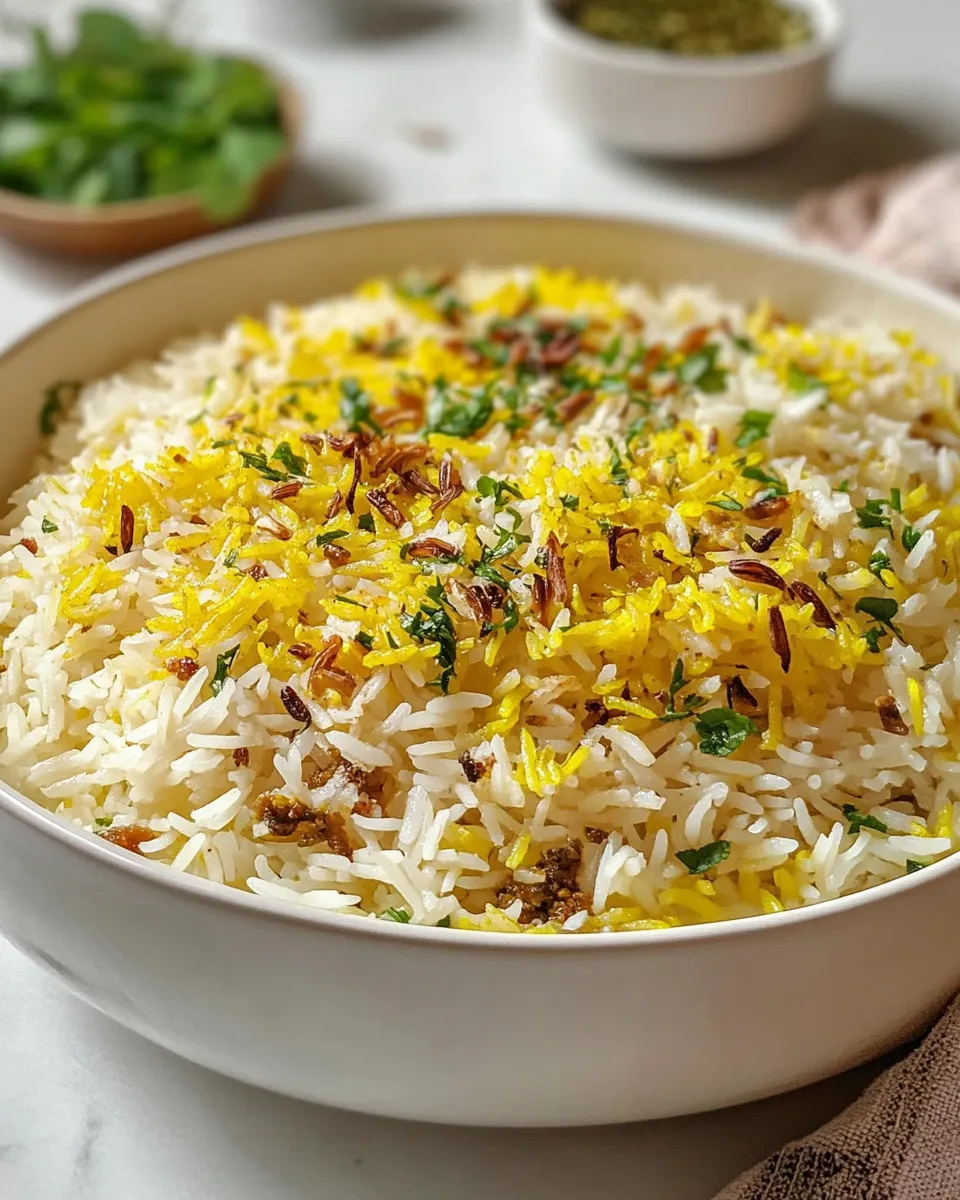
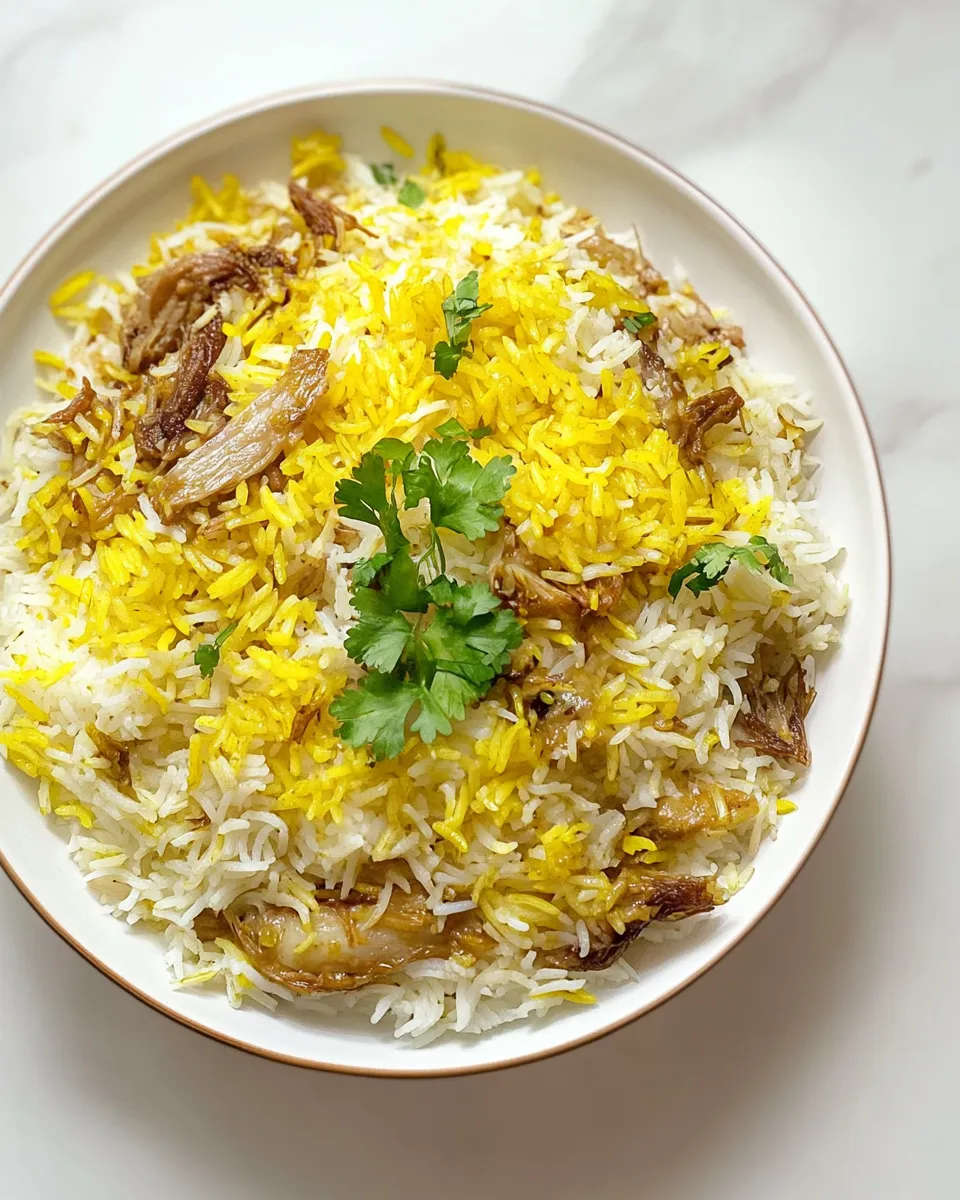
Once the rice is fully steamed, carefully fluff it with a spatula, incorporating the saffron water into the rice for color and flavor. If using turmeric, sprinkle it in at this point for additional color. Serve the rice garnished with chopped parsley and a piece of crispy tahdig for that authentic Persian touch.
Quick Replacement Ideas
- Rice: Substitute basmati with jasmine rice for a different flavor.
- Butter: Use ghee for a richer taste.
- Potato: Swap with sweet potatoes for a sweeter twist.
- Spices: Experiment with cardamom or nutmeg for varied flavors.
Method to the Madness
Cooking Persian rice is an art that marries technique with tradition. The secret lies in the steaming process and the tahdig, which provides a delightful crunch. The use of saffron not only colors the rice but also adds a luxurious aroma and flavor that is unmistakably Persian. As you follow this recipe, don’t rush the steaming process; it’s where the magic happens. Each grain of rice should be fluffy and separate, ready to soak up any accompanying sauces or flavors.
Shelf Life & Storage
Leftover Persian rice can be stored in an airtight container in the refrigerator for up to 3 days. To reheat, simply add a splash of water, cover, and warm it over low heat on the stovetop or in the microwave. If you have tahdig left, it’s best enjoyed fresh, but you can store it separately and reheat it in a skillet to restore its crispiness.
Popular Questions
Can I make Persian rice in advance?
Yes, you can prepare Persian rice in advance. It stores well in the refrigerator and can be reheated when needed. Just ensure to add a little water to keep it moist.
What is tahdig, and how do I make it crispy?
Tahdig is the crispy layer of rice or potato that forms at the bottom of the pot. To achieve the perfect tahdig, ensure the pot is well-oiled and the heat is low during steaming. Avoid lifting the lid too often, as this can disrupt the cooking process.
Can I freeze Persian rice?
Yes, you can freeze Persian rice. Store it in a freezer-safe container, and it will last for up to 3 months. To reheat, thaw it overnight in the fridge and then warm it up gently.
What dishes pair well with Persian rice?
Persian rice pairs beautifully with stews like ghormeh sabzi or khoresh fesenjan, grilled meats like kebabs, and roasted vegetables. It’s versatile enough to complement a variety of dishes.
Next Up in Your Queue
- Ghormeh Sabzi: The Ultimate Persian Stew
- Joojeh Kabob: Grilled Chicken with Saffron
- Fesenjan: Pomegranate Walnut Stew
- Persian Salad Shirazi: Refreshing Side Dish
Hungry for More?
If you enjoyed this recipe for Persian rice, stay tuned for more delightful dishes that celebrate the rich flavors and traditions of Persian cuisine. From savory stews to aromatic desserts, there’s a whole world of culinary experiences waiting for you. Embrace the flavors, share them with loved ones, and make every meal a memorable occasion.
Persian Rice
Ingredients
Equipment
Method
- Begin by rinsing the basmati rice under cold water until the water runs clear, then let it drain in a colander.
- In a large pot, bring 12 cups of water to a rolling boil. Add 2 tablespoons of kosher salt to the boiling water.
- Once the water is boiling, add the rinsed basmati rice and cook for about 6-8 minutes, until al dente.
- Drain the rice in a strainer and rinse briefly with cold water to stop the cooking process.
- In the same pot, heat 1 1/2 tablespoons of olive oil over medium heat. Arrange the potato slices in a single layer, sprinkle with salt, cumin, and cinnamon.
- Gently spoon the drained rice over the potato layer. Create small holes in the rice to allow steam to escape, and drizzle the sliced butter over the top.
- Cover the pot with a kitchen towel and place the lid on tightly. Turn the heat to low and let it steam for about 30-40 minutes.
- Meanwhile, steep the saffron in hot water for about 10 minutes to release its color and flavor.
- Once the rice is steamed, fluff it with a spatula, incorporating the saffron water. Serve garnished with chopped parsley and crispy tahdig.
Notes
- Store leftover rice in an airtight container in the refrigerator for up to 3 days.
- Reheat with a splash of water to keep it moist.
- For a sweeter twist, use sweet potatoes instead of regular potatoes.